

















 Lietuvių
  English
  Русский
 - Home
- Registration of Child Birth Born Abroad in Lithuanian Civil Records
Registration of Child Birth Born Abroad in Lithuanian Civil Records

Registration of Child Birth Born Abroad in Lithuanian Civil Records
In accordance with the legislation of the Republic of Lithuania, if at least one parent of a child born abroad is a Lithuanian citizen, the child’s birth must be included in the Lithuanian Civil Registry. This requirement ensures that the child’s Lithuanian citizenship rights are properly documented and recognized by the state. It is important to understand that this obligation applies regardless of the child’s citizenship at birth, and it provides legal certainty for the child in the future.
Registering a child’s birth is not only a legal requirement but also a crucial step for families who want to ensure access to Lithuanian passports, identity documents, and other rights associated with citizenship. Many parents find this process straightforward when they are well-informed about the necessary documents, submission options, and legal steps involved.
Registration of Child Birth Born Abroad in Lithuanian Civil Records is a mandatory legal procedure for Lithuanian citizens living abroad who want their child’s birth to be officially recognized in Lithuania.
Registration of Child Birth Born Abroad in Lithuanian Civil Records: Who Must Register
This obligation is part of the Registration of Child Birth Born Abroad in Lithuanian Civil Records process and applies regardless of the child’s citizenship.
The registration requirement applies in the following cases:
-
At least one parent is a citizen of Lithuania, regardless of the child’s citizenship.
-
The child is born abroad, and the parents wish to secure Lithuanian citizenship rights and access to official documents such as passports or national ID cards.
It is advisable for parents to register the child’s birth as soon as possible after the birth, as this can prevent delays in obtaining official documents later. Early registration also simplifies procedures related to travel, healthcare, and education, as the child’s citizenship is officially documented.
Required Documents for Child Birth Registration Abroad in Lithuania
To include a child’s birth in the Lithuanian Civil Registry, the following documents are generally required:
-
Identity document of the parent(s) or legal representative, such as a passport or ID card.
-
Birth certificate issued by the foreign state. This document must be legalized or certified with an Apostille, unless specified otherwise by international treaties of Lithuania or EU legislation. Additionally, the foreign birth certificate must be translated into Lithuanian by a qualified translator to be accepted by Lithuanian authorities.
Parents should also ensure that all documents are complete, accurate, and properly certified. Missing or incorrectly prepared documents can lead to delays or the need to resubmit the application. In some cases, additional documents proving family relationships may be required, especially if one parent’s citizenship is unclear or if the child was adopted.
Where and How to Submit Documents for Registration of Child Birth Born Abroad
Documents may be submitted to:
-
The Lithuanian Civil Registry Office in Lithuania.
-
Lithuanian diplomatic missions abroad, which forward documents to the Civil Registry Office.
-
E-Government Gateway Portal (E-Government services).
Documents can be submitted in person by the parents or through an authorized representative in Lithuania. It is important to note that applications submitted through other channels may not be accepted, and missing deadlines or improper submission may invalidate the registration request.
Practical Steps for Registration of Child Birth Born Abroad
Completing the Registration of Child Birth Born Abroad in Lithuanian Civil Records is a necessary step before applying for a Lithuanian passport or identity document for the child.
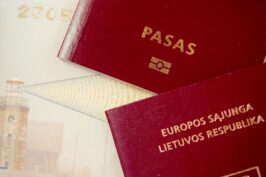
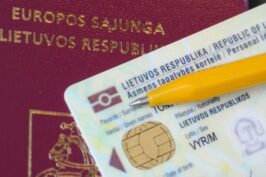
After confirming Lithuanian citizenship, parents may proceed with applying for a Lithuanian passport for the child or identity card. Before applying for the passport:
-
The child’s birth must be registered in Lithuania.
-
All required documents must be properly legalized, apostilled, and translated into Lithuanian.
Once the registration is complete, parents can schedule an appointment at the Migration Department in Lithuania or at a Lithuanian consulate abroad to apply for Lithuanian passport. Obtaining the passport is an important step to ensure that the child can travel internationally and exercise all rights associated with Lithuanian citizenship.
Parents should also keep copies of all documents and official confirmations of registration, as these may be needed in the future for school enrollment, healthcare, or legal matters. Having a clear understanding of the process helps reduce stress and ensures that the child’s rights are fully protected.
Tips for a Smooth Process
-
Start the registration process as early as possible after the child’s birth.
-
Double-check all documents for completeness and correct translations.
-
Contact your local Lithuanian embassy or consulate for guidance if the child was born abroad.
-
Keep all original and certified copies organized for future use.
By following these steps, parents can ensure that their child’s Lithuanian citizenship is properly documented and that all legal rights and protections are secured.
Need Help with Registration of Child Birth Born Abroad in Lithuanian Civil Records?
We provide full legal support for Registration of Child Birth Born Abroad in Lithuanian Civil Records, including representation in Lithuania based on a power of attorney.
If you need assistance with registering your child’s birth in Lithuania, we can help. Our team can represent you in Lithuania and handle the entire registration process on your behalf, without the need to travel to Lithuania.
We work based on a power of attorney, ensuring that your child’s birth is properly included in the Lithuanian Civil Registry. This service includes:
-
Submission of all required documents to the Civil Registry Office.
-
Translation and legalization of foreign birth certificates.
-
Coordination with Lithuanian authorities.
-
Guidance on obtaining a Lithuanian passport or identity card for your child.
Contact us today via email at info@migration.lt or phone at +370 6 8563053, and we will gladly assist you every step of the way.